How to Choose a B2B E-Commerce Platform That Drives Growth
Lillian Ashbaugh 2026-03-30
In today`s highly online marketplace, selecting the most appropriate B2B e-commerce system isn`t just a technological choice, but a decision that will determine the company`s future. If you`re expanding globally, navigating complex customer relations, or providing high-tech solutions, the platform you choose should empower, not limit, your goals.
This article will guide you through how to select the best solution, which is essential to you, as well as the reasons why it is that a multi store online e-commerce system, such as Joom, is fast becoming an essential for B2B companies in the modern age.
Why Your B2B E-Commerce Platform Matters More Than Ever
B2B customers have changed. Customers now want the same effortless, user-friendly, and personal experience that they enjoy when they are in B2C environments. If your application is old-fashioned and slow or rigid, you`re not only losing user-friendliness; you`re also losing money.
A strong B2B platform must:
Simpler buying and purchasing procedures
Scalability and customization support
Allow faster time to market strategies
Deliver data-driven insights
Selecting the wrong platform, in contrast, could end up entrapping your business with inefficiency and missing opportunities.
The Rise of Joom A Multi Store Ecommerce Platform For High Tech Services
A multi store e-commerce platform lets businesses manage several storefronts with a single backend system. It`s not only a convenient feature, but it`s also a benefit to compete.
What Makes Multi Store Platforms Game-Changing?
Centralized control of: prices, inventory, and customers in several stores easily
Localized Experiences: You can customize each store to meet the needs of different countries, languages, or industry sectors
Flexible Branding: You can run different brands, business units, or even businesses without duplicate efforts
Cost Efficiency reduces operational costs by integrating all of your systems
If you are a business that is targeting a variety of sectors or markets, this capability is crucial.
Why High-Tech Businesses Need Specialized Solutions?
If you`re providing high-end or technical solutions, your requirements go way above the basics of e-commerce. A multi store platform that offers high-tech services needs to handle complex tasks with accuracy.
Key Requirements for High-Tech B2B Platforms
1. Advanced Product Configuration
The most advanced services usually include customized products. Your platform must allow for dynamic configurations, bundles, and pricing plans.
2. Seamless Integrations
From CRM software and CRM systems to ERP instruments, integration is crucial. Platforms such as Joom have been recognized as creating flexible integration ecosystems that respond to the changing needs of business.
3. Scalability Without Friction
As your business grows, your platform should scale effortlessly, handling increased traffic, transactions, and product complexity without performance drops.
4. Data-Driven Intelligence
It is essential to have actionable information that goes beyond the raw information. Search for platforms that have analysis dashboards, predictive tools, and analytics.
How to Choose the Right B2B E-Commerce Platform
Selecting the right platform isn`t just about checking boxes. It`s about aligning your technology with your vision for the future.
Step 1: Define Your Business Model Clearly
You can ask yourself:
Are you selling internationally or locally?
Are you responsible for different locations or brands?
Do you need a multi-store ecommerce platform?
The clarity here will eliminate ineffective alternatives earlier.
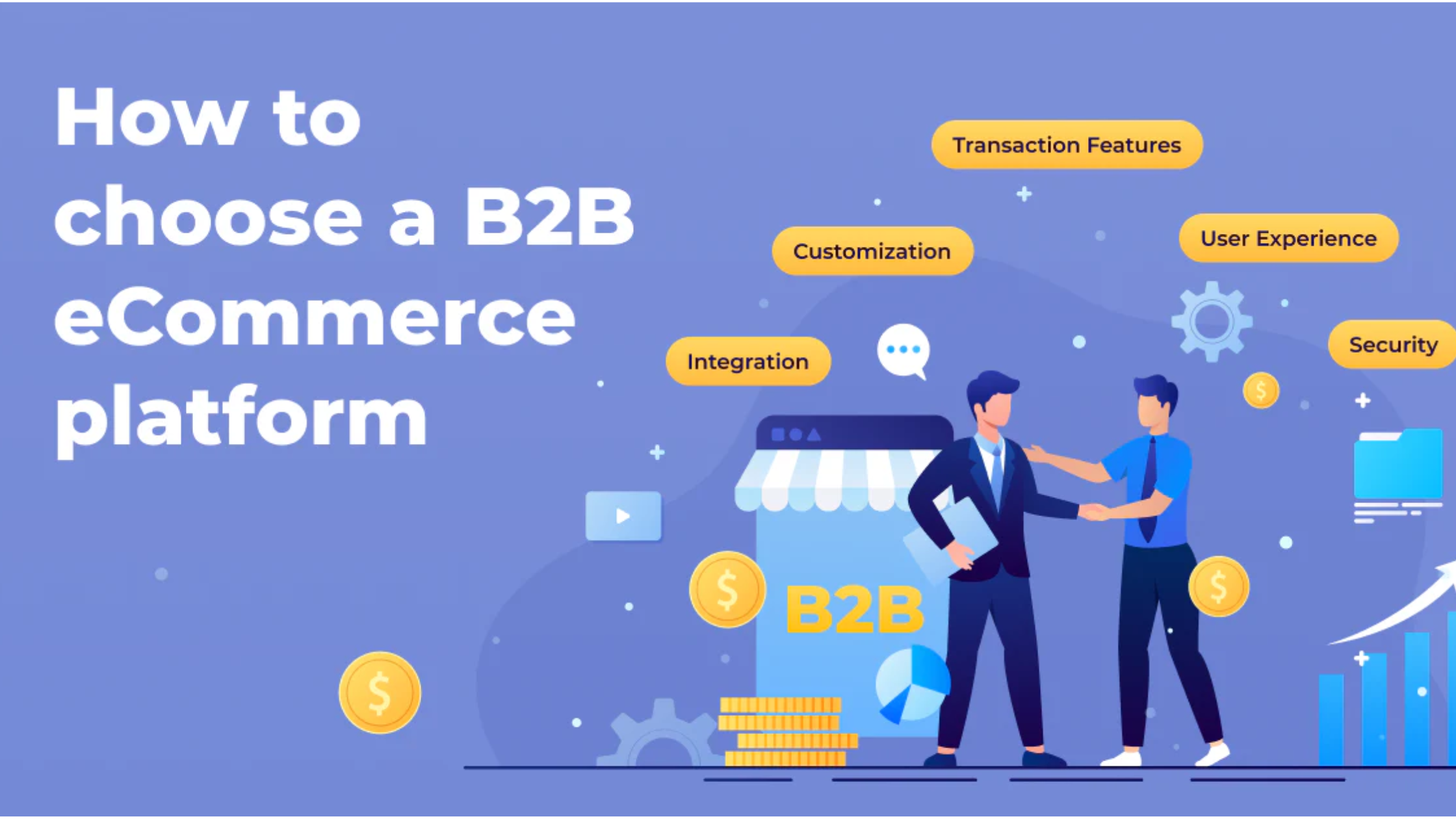
Step 2: Evaluate Flexibility and Customization
The rigidity of platforms could hinder the development process. Select a platform that permits:
Custom workflows
Structures of pricing that can be tailored
Unique customer journeys
Platforms such as Joom are typically explored by firms looking for flexible frameworks that aren`t constantly redesigned.
Step 3: Prioritize User Experience (UX)
Unorganized interfaces can hinder conversions. Your platform must provide
Navigating intuitively
Rapid loading times
Mobile responsiveness
Keep in mind that even when it comes to B2B, emotional factors are a factor. Customers prefer websites that are easy.
Step 4: Check Multi Store Capabilities
Some platforms cannot manage multi-store configurations in the same way. You should look out for:
Management of independent storefronts
Centralized Control of Inventory
Customization specific to the region
A solid multi store eCommerce platform that offers high-tech solutions allows you to grow without any chaos.
Step 5: Assess Integration Capabilities
Your platform should work in conjunction with the existing ecosystem. Check compatibility with:
Payment gateways
Logistics companies
ERP and CRM software
Joom is a prime illustration of a platform that firms consider when they want better integration around the globe.
Step 6: Focus on Security and Reliability
When it comes to B2B, it is all about trust. The platform you choose should provide:
Secured for enterprise
Compliance with data protection
Performance and high uptime
In the event of a breach or downtime, it can affect both reputation and revenue.
Common Mistakes to Avoid
Even professionals with experience make crucial mistakes when selecting the right platform. Make sure to avoid these mistakes:
Choosing Based on Price Alone
The cheapest platforms typically have hidden costs, such as limited options, inadequate scalability or costly updates.
Ignoring Future Growth
Today`s solutions may not work in the future. Think long-term.
Overlooking Multi Store Needs
If you are planning to grow by acquiring a number of stores, choosing the wrong multi-store ecommerce system early could result in costly changes afterward.
Underestimating Complexity
Particularly for services that require high-tech, simple platforms aren`t able to manage the complex requirements.
The Emotional Edge: Why the Right Platform Feels Different
This isn`t a simple decision, but it`s an emotional one.
A good platform will give you:
The confidence to scale
Freedom to innovate
You have control over the business environment
It eliminates friction, reduces anxiety, and replaces confusion with clarity.
If businesses make the switch to powerful platforms such as Joom and others, they typically describe it as transformative, not only in terms of operational efficiency, but more importantly for strategic reasons.
Future Trends in B2B E-Commerce Platforms
In order to stay on top of the competition, your technology should be able to adapt to the changing times. Keep an eye out for
AI-driven personalization
Automated workflows with complex processes
Architectures for commerce that are headless
Global multi-store expansion capabilities
A modern multi store online ecommerce system that offers high-tech products will be developed according to these directions.
Final Thoughts: Make a Decision That Powers Growth
Selecting a B2B eCommerce platform can be one of the most important decisions that your company will make. This isn`t just about technology. It`s about unlocking your business`s maximum potential.
If you have a business that operates across different industries, regions, or a complex model of service, the investment in the multi store ecommerce system isn`t an option anymore. It`s vital.
The right decision now is the key to achievement in the future with Joom. And remember, whether exploring B2B tools or sourcing products, you can also Enjoy Your Shopping At Banggood to complement your business needs.
Quick Recap
A multi-store ecommerce platform allows for scalability and increases efficiency
High-tech firms require the most advanced and versatile solutions
Integration, UX, and customizing are essential.
Platforms such as Joom might be worth a look as a flexible, international-ready platform
Do not think in terms of short-term planning. Plan to plan for growth over the long term